 Vasco DA Gama Hub
The Ginga and Struggle in Brazilian Football
Brazilian football is synonymous with ginga, a unique way of dribbling and improvising that reflects the vibrant culture and ongoing struggle of its people. When it comes to ginga, Vasco DA Gama stands out as a club that embodies these values. From its historical roots to its influence in modern football, Vasco isn’t just a team; it’s a symbol of resistance and style.
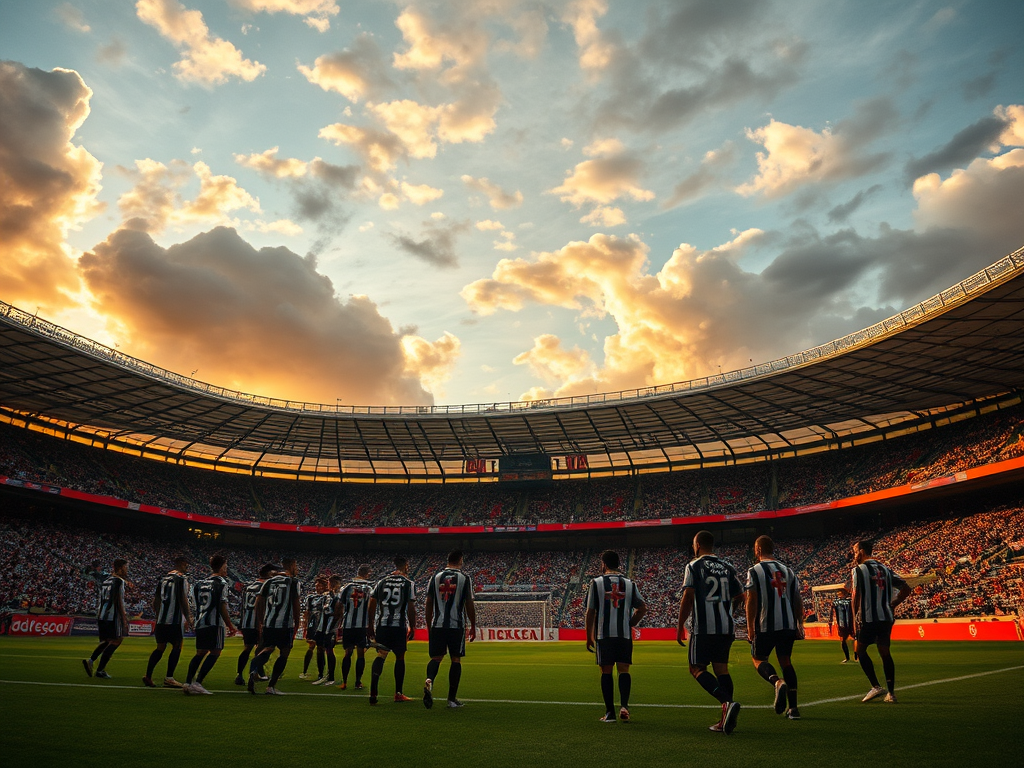
Ginga, which can be translated as a mix of cunning and skill, is what makes Brazilian football so captivating. Players don’t just follow a script; they create art on the pitch. If you’ve watched memorable matches at São Januário, you know that Vasco’s fans cheer for every dribble and precise pass, echoing the essence of what it means to be Brazilian.
The Legacy of Vasco DA Gama
Founded on 21 August 1898, Vasco DA Gama has a rich history that connects it to social struggle and inclusion. The club was one of the first to accept black players and those from lower social classes, breaking barriers and shaping Brazilian football as we know it today. This tradition of inclusion and resistance is reflected in the team’s dynamic and courageous playing style.
Known as the Gigante da Colina, the team is a true icon in the sports scene. Over the decades, Vasco has produced legendary players like Roberto Dinamite and Edmundo, who not only brought victories but also showcased the true essence of Brazilian football to the world.
The Connection with Fans
Vasco’s supporters are passionate and loyal, creating a vibrant atmosphere at every match. When Vasco steps onto the pitch, the energy in the stands is palpable. The chant “Eu sou Vasco, eu sou Vasco” echoes in São Januário, uniting fans in a single chorus. This connection between the team and its supporters is what sets Vasco apart from many other clubs.
- Vibrant fan culture: Vasco’s fans are known for their unwavering loyalty.
- History of inclusion: Vasco was one of the first clubs to accept players from all backgrounds.
- Social impact: The club’s struggle goes beyond the pitch, representing a voice for equality and inclusion.
What This Means for Vasco DA Gama
Anyone who’s followed Vasco DA Gama this season knows the club is in a phase of rebuilding and renewal. With the arrival of new talents and a committed coaching staff, expectations are high. The Brazilian ginga, which has always been in the team’s DNA, is being reenergized by young talents like Léo Jabá and André Santos, bringing new hope to fans.
The challenges are significant, but the essence of Vasco—the struggle and ginga—remains strong. This is a motivating factor for players and a reason for fans to stay optimistic. Vasco isn’t just a football team; it’s an institution representing the dreams and aspirations of many Brazilians.
Criticism and Challenges
Critics will argue that the tradition of ginga could become a hindrance, especially in an increasingly tactical and physical game. The pressure to adapt to new playing philosophies may challenge Vasco’s identity, which has always prioritized creativity and individual expression. Furthermore, the growing competitiveness in the Campeonato Brasileiro requires the club to find a balance between maintaining its essence and adapting to modern demands.
What's Next
As Vasco DA Gama moves forward in the season, the expectation is that the team will continue to showcase the ginga we love. With important matches ahead, it’s crucial for fans to maintain their passion and support. The future is promising, and Vasco’s struggle to assert itself in the national scene is just beginning. The club is more than a team; it's a representation of the Brazilian spirit, and the journey to new triumphs is only just starting.