 Vasco DA Gama Hub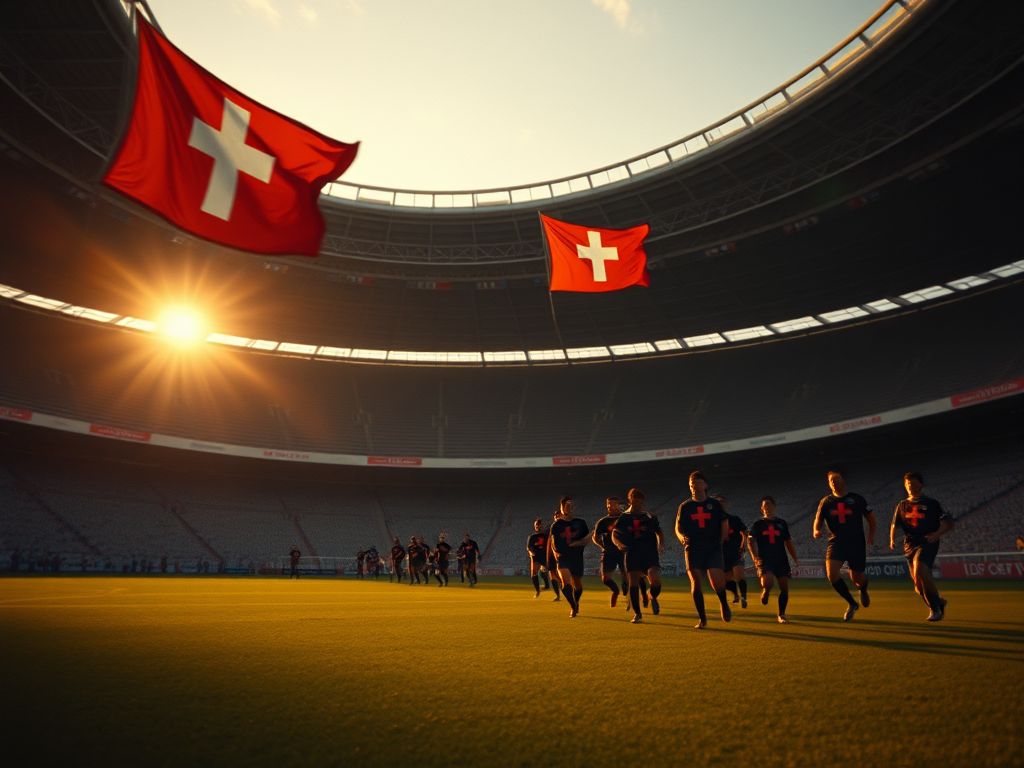
The Incredible Taça Rio Triumph of 1976
In 1976, Vasco da Gama was about to write another glorious chapter in its rich history. The club, known as Gigante da Colina, entered the Taça Rio with a team full of talent and fierce determination. Under the leadership of coach Oswaldo de Oliveira, Vasco showcased engaging football, with plays that delighted fans and left opponents baffled.
The tournament was contested in a format that included clubs from all over Brazil, and the competition would become a true test of resilience and skill. Vasco, with a team comprised of players like Roberto Dinamite and goalkeeper Andrada, demonstrated its strength in every match. The team not only stood out for its results but also for the style of play it presented, blending refined technique and grit on the pitch.
The final against Palmeiras, held at the Maracanã Stadium, was a spectacle in itself. The pressure was immense, with the Cruzmaltino fans filling the stands and creating an electrifying atmosphere. The match was marked by moments of tension and excitement, but Vasco managed to assert itself, coming out on top and winning the Taça Rio. This victory was celebrated not just as a title but as a demonstration that Vasco was a force to be reckoned with in Brazilian football.
Winning the Taça Rio not only brought pride to the fans but also helped cement the club's legacy on the national stage. Vasco da Gama continued to be one of the main protagonists in Brazilian football, with its victories and rivalries, particularly against Flamengo, always intense. The echoes of that victory in 1976 still resonate in the memories of fans, who fondly remember the team that captivated Brazil.
Thus, the Taça Rio of 1976 became more than just a trophy. For Vasco supporters, it represents the passion, struggle, and greatness of the Gigante da Colina. Every time this story is told, it becomes clear that the essence of Vasco da Gama is rooted in achievements like this, which shaped the club's identity and made it a pillar of Brazilian football.